What Does "Pookie" Mean? A Parent's Guide to the Slang
What Does "Pookie" Mean?
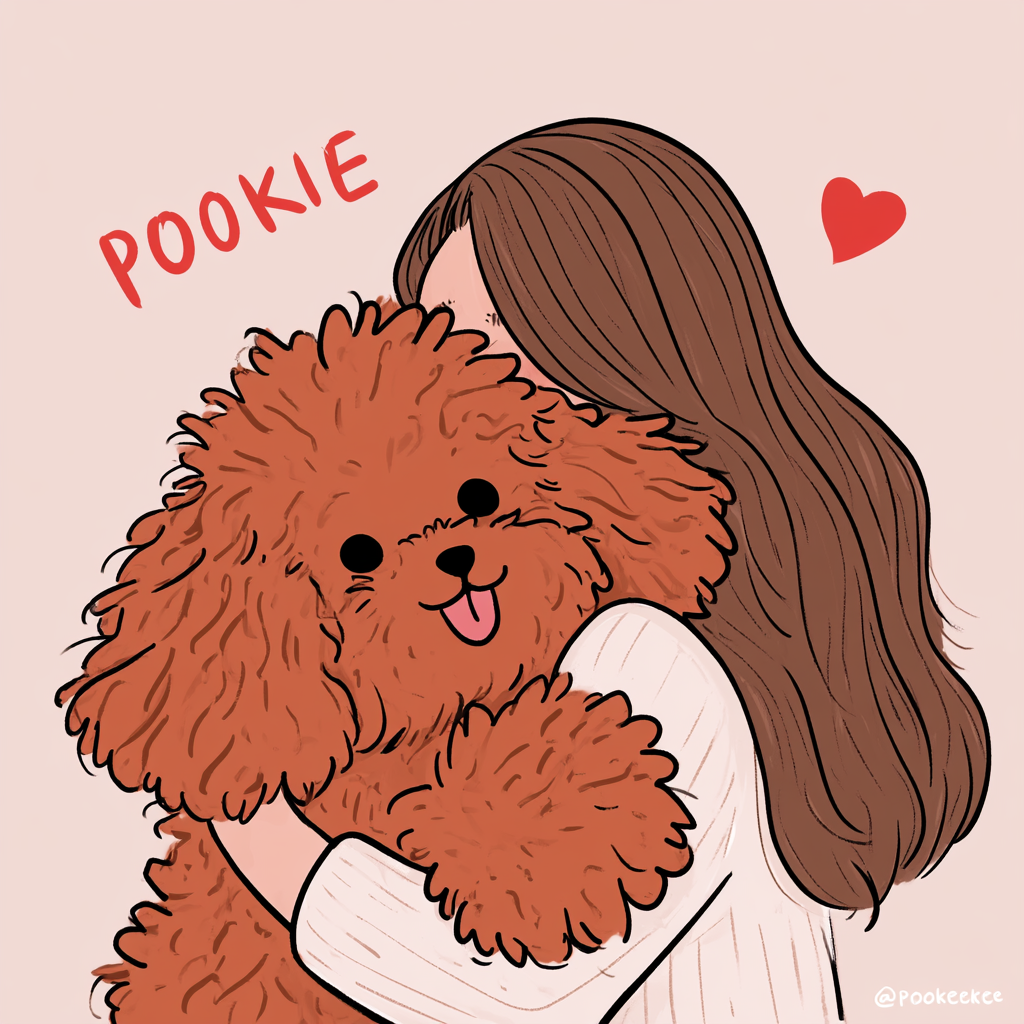
"Pookie" is a term of endearment, a cute nickname for someone a person loves or likes. It works the same way as "babe," "sweetie," or "honey." Most often it is aimed at a partner or crush, but kids also use it for close friends, siblings, and even pets.
Online, "pookie" is often used playfully or ironically too. Calling a friend "my pookie" can be genuinely affectionate or a joking, over-the-top way of showing love. Either way, the tone is almost always warm and positive, which sets it apart from slang that hides a meaner or hidden meaning.
You may also hear spin-offs like "big pookie" or "pookie bear," which are just more exaggerated, sillier versions of the same affectionate nickname.
Why Are Kids Saying "Pookie"?
The word went viral on TikTok. A big driver was the couple Campbell and Jett Puckett, whose videos where Jett affectionately calls his wife "Pookie" were watched millions of times. Creators like Prayag Mishra, who brands himself "Big Pookie," helped push it further into everyday teen vocabulary.
Because it is silly, soft, and fun to say, "pookie" became a comment-section staple in 2024, sprinkled under couple videos, pet clips, and photos of friends. Its popularity has cooled since that peak, so if you are hearing it now, it is more about your child following a trend than anything new or concerning.
Examples of How Kids Use "Pookie"
- "Goodnight my pookie." A sweet, affectionate message to a partner or close friend.
- "That's my pookie right there." Showing pride and affection about a friend, sibling, or pet.
- "Pookie please, just text me back." A playful, slightly dramatic way to nudge someone.
- "You're such a pookie." Calling someone adorable or endearing.
- "Not you being my pookie." A teasing, joking way to admit they like someone.
Where Did "Pookie" Come From?
The origin is genuinely fuzzy, so treat any single story with caution. The word has been used as an affectionate nickname in American English since at least the mid-1960s in print, and likely earlier in speech. Some sources trace it to the German "Puppchen" (little doll), others to Celtic roots, and it also circulated as a casual nickname in Black and urban communities long before TikTok.
There is one older, unrelated meaning worth knowing about. In some 1990s urban slang, "pookie" referred to a homemade crack pipe, a usage cemented by the addict character Pookie in the 1991 film New Jack City. That meaning is essentially extinct among today's teens and is not what kids mean on TikTok, but it explains why some adults may recognize the word differently. If an older relative reacts strangely to it, this is probably why.
Is "Pookie" Inappropriate for Kids?
Generally: Harmless. In current use, "pookie" is a wholesome nickname with no sexual, violent, or offensive meaning. It is one of the more innocent slang terms a parent will encounter.
The only nuance is that, like any pet name, it can signal a romantic relationship. If your younger child is calling someone "pookie" or being called it, the word itself is completely fine, but it may be a small clue that a crush or relationship exists.
Should Parents Be Concerned?
No, "pookie" on its own is not a red flag. It is affectionate slang, and hearing it is a sign your child is picking up mainstream internet culture rather than anything harmful.
If anything, it is a friendly opening. Asking "who's your pookie?" is a light, non-threatening way to learn who is important to your child right now, whether that is a best friend, a pet, or a first crush. Because the word carries no baggage, it is an easy one to be curious about without your child feeling interrogated.
What Parents Should Know
- It is affection, not code. Unlike some slang, "pookie" does not hide a second, darker meaning in current teen use.
- It can point to a crush. A new "pookie" in your child's life may be a romantic interest worth gently asking about.
- It is often ironic. Kids call friends "pookie" as a joke as much as a sincere pet name.
- It is fading. The word peaked in 2024, so its presence signals trend-following more than anything else.
- An old meaning exists. The 1990s drug-related sense is essentially gone from teen use, so there is no need to read it into your child's messages.
Related Slang Parents May Hear
- Bae: "before anyone else," a partner or crush.
- Boo: an affectionate name for a partner.
- Bestie: best friend, often used loosely for anyone likable.
- Bop: can mean a great song, but also a harmful insult; context matters.
- Rizz: charm or skill at flirting.
- Situationship: a romantic relationship without a clear label.
- YN: often "your name," used in fan videos and stories.
Frequently asked questions
What does "pookie" mean when a girl or guy calls you that?
Is "pookie" a bad or inappropriate word?
Where did the word "pookie" come from?
Should I worry if my child says "pookie"?
Does "pookie" mean boyfriend or girlfriend?
See what YouTube is really teaching your kids
KidWatch turns your child's watch history into a plain-English safety report.
Get started