What Does "Brainrot" Mean? A Parent's Guide
What Does "Brainrot" Mean?
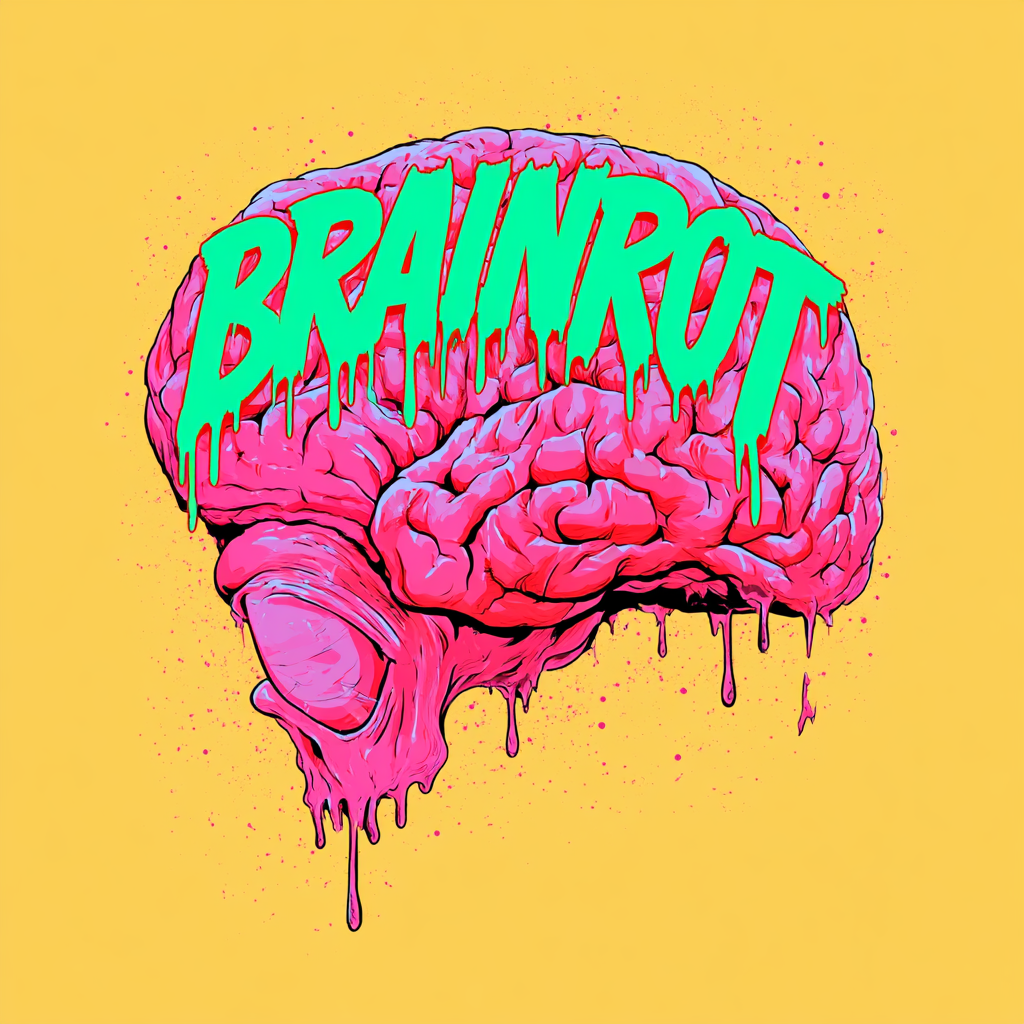
Brainrot has two closely related meanings. First, it describes a genre of silly, low-effort, often nonsensical online content, the memes and videos kids watch for a quick laugh. Second, it describes the foggy, fried, short-attention feeling that can come from consuming too much of that content.
Kids use it both ways, and usually with humor. Saying "this is pure brainrot" about a video is often a compliment, and "sorry, I have brainrot" is a joking way to admit their brain feels mushy from scrolling.
| How it is used | What it means |
|---|---|
| "This is peak brainrot" | This content is hilariously silly (a compliment) |
| "I have brainrot" | My brain feels foggy from too much scrolling |
| "He only speaks brainrot" | He talks entirely in memes and slang |
Why Are Kids Saying "Brainrot"?
Kids say brainrot because it perfectly names the kind of absurd, fast-paced content that dominates short-video feeds. It is also self-aware: young people know a lot of what they watch is silly, and calling it "brainrot" is part of the joke.
The term got a big boost when Oxford University Press named "brain rot" its Word of the Year for 2024, which pushed it into mainstream conversation among parents, teachers, and the media. That coverage turned a piece of insider slang into a word adults use too, often when talking about screen habits.
Examples of How Kids Use "Brainrot"
- "This meme is peak brainrot." A compliment, meaning the content is hilariously silly.
- "I have so much brainrot right now." They feel mentally foggy or distracted from too much scrolling.
- "My little brother only speaks in brainrot." Teasing that someone talks entirely in memes and slang.
- "That show gave me brainrot." It was addictive and mindless in a fun way.
- "Sorry, brainrot moment." A joking apology for spacing out or forgetting something.
Where Did "Brainrot" Come From?
The phrase is surprisingly old. Writer Henry David Thoreau used "brain-rot" in his 1854 book Walden to criticize society for valuing trivial ideas over deeper ones. In its modern internet sense, it grew on platforms like TikTok and became the defining word for low-quality viral content.
Oxford University Press reported that use of the term rose sharply between 2023 and 2024 before naming it Word of the Year for 2024. That jump reflects how central short-video culture has become to how young people talk about what they watch.
By 2025, brainrot had grown into its own mini-genres and characters, including a wave of AI-generated "Italian brainrot" animals with nonsense names that kids collect, quote, and rank the way earlier generations traded cards or catchphrases. Whether or not you recognize any of it, the pattern is the same: absurd, fast-moving content that is funny precisely because it makes no sense.
Is "Brainrot" Inappropriate for Kids?
Generally: Harmless. The word brainrot is not profane, sexual, or violent. It is often used as self-aware humor and is safe for kids to say.
The nuance is in what "brainrot content" contains. The genre is broad, and while much of it is innocent nonsense, some brainrot videos include crude jokes, mature memes, or rapid clips that are not aimed at young children. The label is fine, but the specific content behind it varies a lot, which is why knowing what your child actually watches matters more than the word.
Should Parents Be Concerned?
The word is not a concern. In fact, a kid who calls their own feed "brainrot" is showing some healthy awareness that the content is junk food for the brain.
The reasonable concern is the underlying habit. A steady diet of fast, low-quality video is widely linked to shorter attention spans and trouble switching to slower tasks like reading or homework. If brainrot content is dominating your child's time, that is a screen-time and balance conversation, not a slang problem. Framing it around energy, sleep, and focus tends to work better than framing it around the videos being "bad."
What Parents Should Know
- It is often self-aware. Kids use brainrot jokingly and know the content is silly.
- It is a real dictionary term now. Oxford named "brain rot" its 2024 Word of the Year.
- The content varies widely. Some brainrot is innocent nonsense, some is crude, so it is worth knowing what your child watches.
- Balance beats banning. Focus on healthy limits and offline time rather than the word itself.
- It can open a conversation. Asking your child to show you their favorite "brainrot" is a friendly way to see their feed.
Related Slang Parents May Hear
- Skibidi: A nonsense meme word and a classic piece of brainrot.
- Ohio: A label for something weird or cringey.
- Sigma: Someone cool, confident, and independent.
- Rizz: Charm or the ability to attract someone.
- Gyatt: An excited exclamation, often about someone's body.
- NPC: Someone acting robotic or without original thought.
- Mewing: A jaw technique kids joke about to look better.
Frequently asked questions
Is "brainrot" a bad word?
What does it mean when a kid says they have "brainrot"?
Is brainrot content harmful?
Where did the word "brainrot" come from?
Should I be worried if my child watches brainrot?
See what YouTube is really teaching your kids
KidWatch turns your child's watch history into a plain-English safety report.
Get started