What Does "Opp" Mean in Slang? A Parent's Guide
What Does "Opp" Mean?
"Opp" is short for "opposition." It means an enemy, rival, or someone on the other side. The plural, "opps," is even more common and refers to a group of enemies or people you are against. Kids might talk about their "opps" in a serious way or, more often now, in a joking, exaggerated way.
In everyday teen use, an "opp" can be as harmless as a rival sports team, a friend they are pretending to feud with, or someone who annoys them. The word has drifted a long way from its original meaning, which is important context for understanding how your child is using it.
The two things that tell you how serious it is are who the "opps" are and what is happening around the word. A rival gaming squad is very different from a real-life group your child is afraid of.
Why Are Kids Saying "Opp"?
"Opp" is everywhere in rap and drill music, which is hugely popular with teens, so kids absorb it from lyrics, TikTok clips, and gaming. In video games especially, players call the other team "the opps" without any real-world hostility at all.
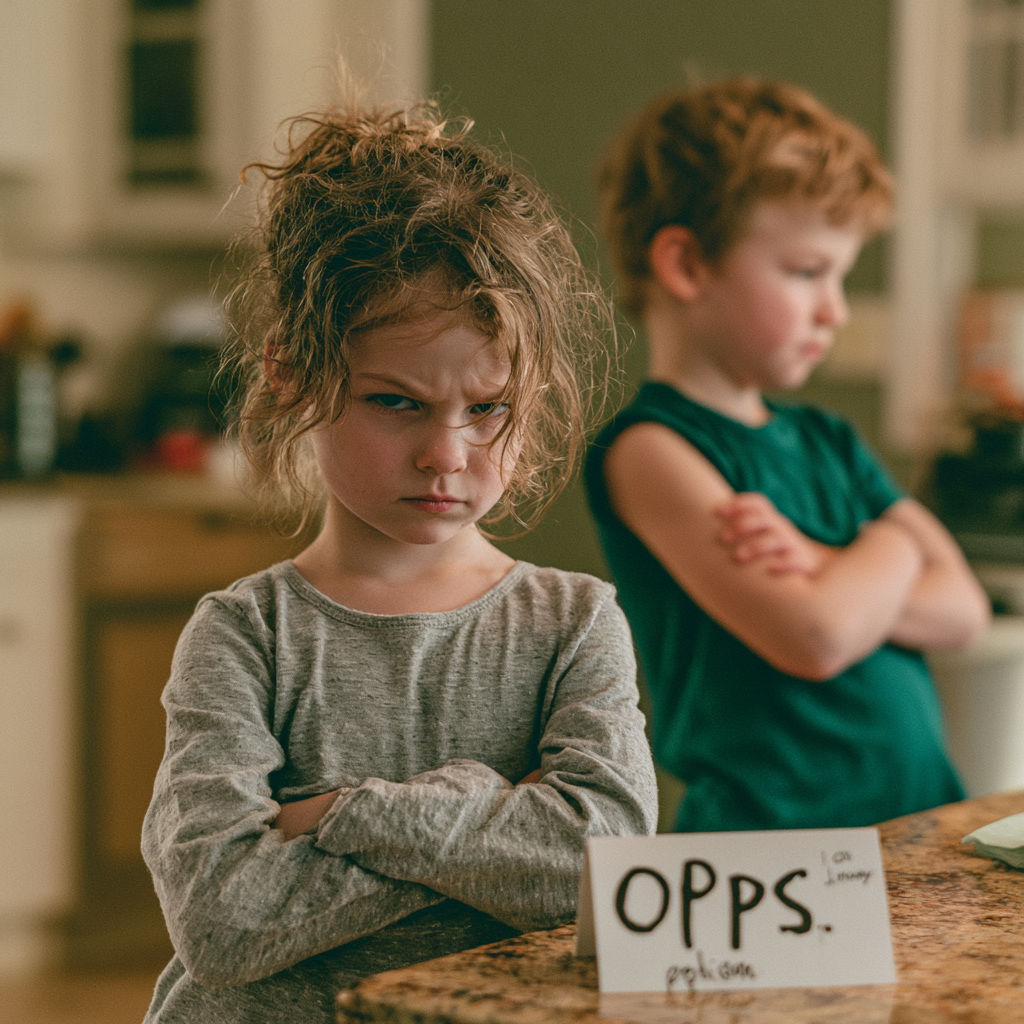
A lot of the current usage is ironic or dramatic. Calling a sibling or a friend "my opp" after a small disagreement is a playful way to say "we're rivals now," not a genuine threat. The exaggeration is part of the joke, the same way kids might jokingly call a friend their "nemesis."
Examples of How Kids Use "Opp"
- "The other team is full of opps." Common in gaming, just means the opponents.
- "He's an opp now." Often joking, said after a minor falling-out with a friend.
- "Watch out for the opps." Can be playful, or depending on context a more serious reference to rivals.
- "Why are you sitting with the opps?" Teasing a friend for hanging out with a rival group.
- "No opps allowed." Saying only friends or allies are welcome.
Where Did "Opp" Come From?
"Opp" comes from hip-hop and street culture, specifically the Chicago drill music scene of the early 2010s. It is widely credited to drill artist Chief Keef, whose 2011 track "John Madden" is often cited as an early use of the abbreviation. In that original context, "opps" meant rival gang members, sometimes people in genuinely dangerous conflict. As the word spread into mainstream pop culture, it lost most of that intensity and became general slang for any kind of rival or enemy. Both the light version and the serious version still exist, which is why the surrounding context matters.
Is "Opp" Inappropriate for Kids?
Generally: Context-dependent. The word itself is not profanity, and in most everyday use it is a harmless way to say "rival" or "opponent." Many kids use it purely because it is in the music and games they enjoy.
The reason to stay aware is its roots. Because "opp" comes from drill and gang culture, where it can refer to real-world enemies and violence, the same word can carry a much heavier meaning depending on who is using it and how. Usually your child means the light version, but understanding the context is worthwhile.
Should Parents Be Concerned?
In most cases, no. When your child calls a rival gamer or a bickering friend an "opp," it is casual slang with no real hostility behind it.
It is worth paying closer attention if "opp" talk is tied to real conflict, for example genuine feuds between groups of kids, threats, or content that glorifies violence. In those situations the concern is the underlying conflict, not the slang word itself.
A calm question like "who are the opps you're talking about?" usually reveals whether it is a game or something real. If the answer is a video game or a joke with a friend, you can relax. If it points to a real-life group or a situation your child seems tense about, that is your signal to keep the conversation going and offer support.
What Parents Should Know
- It usually means "rival." Most of the time "opp" is no more serious than "the other team."
- It comes from drill music. The word's roots are in gang culture, which is why it can occasionally signal real conflict.
- Gaming drives a lot of it. Kids constantly call opponents "opps" in online games.
- Look at the surrounding content. The word matters less than whether it is attached to real threats or genuine feuds.
- Ask, don't assume. A simple question about who the "opps" are tells you if it is playful or serious.
Related Slang Parents May Hear
- Opps: the plural, a group of enemies or rivals.
- Beef: an ongoing conflict or grudge.
- Op: sometimes used the same as "opp," or online as "original poster."
- Drill: a gritty style of rap that popularized much of this vocabulary.
- Ratio: a public pile-on where replies outperform a post.
- Cap: a lie; "no cap" means someone is being serious.
- Smoke: willingness to fight or conflict, as in "he's got smoke."
Frequently asked questions
What does "opp" mean in slang?
Is "opp" a dangerous or bad word?
What does "opps" mean?
Where did "opp" come from?
Should I worry if my child talks about "opps"?
See what YouTube is really teaching your kids
KidWatch turns your child's watch history into a plain-English safety report.
Get started