What Does "Sus" Mean? A Parent's Guide
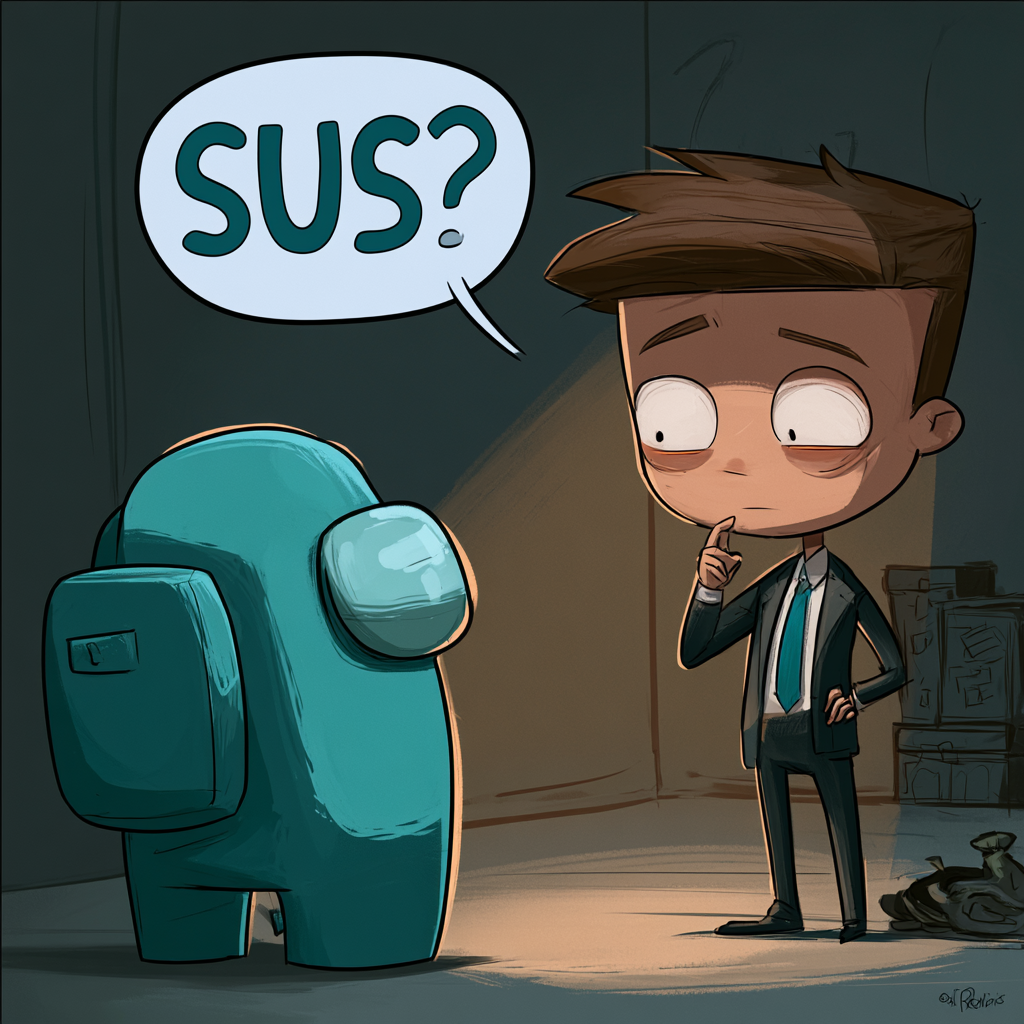
What Does "Sus" Mean?
Sus is short for "suspicious" or "suspect." Kids use it to describe a person, situation, or thing that seems shady, untrustworthy, or just a little off. If something feels wrong, sketchy, or too good to be true, it is "sus."
It can be lighthearted ("this milk smells sus") or pointed ("that link looks sus, don't click it"). It is also used jokingly to say someone is acting strange or up to something, without any serious accusation behind it.
You will also see it stretched or combined, like "kinda sus" or "acting sus," and paired with an emoji for emphasis. However it is written, the meaning holds steady: something or someone seems a little suspicious. It is one of the more stable slang words of the last several years.
| Sus at a glance | |
|---|---|
| What it means | Short for "suspicious" or "suspect" |
| Tone | Usually lighthearted; can flag real danger too |
| Where it is from | Decades old; went viral through the game Among Us in 2020 |
| Safe for kids? | Yes, harmless |
Why Are Kids Saying "Sus"?
Sus exploded during the boom of the online game Among Us, where players call each other "sus" while trying to find the hidden "imposter." That gameplay made the word a constant, and it spilled out of the game into everyday speech, memes, and TikTok. Now kids use it about anything, not just the game.
The word also lasts because it is genuinely handy. It compresses a whole feeling, that something is a little off, into three letters. Whether it is a weird message, an odd coincidence in a game, or a friend acting cagey, "sus" captures the vibe instantly, which is why it has stayed popular well after the Among Us craze cooled down.
Examples of How Kids Use "Sus"
- "That email is sus, don't open it." Flagging something as untrustworthy or a possible scam.
- "He's being sus about where he was." Suggesting someone is acting suspiciously or hiding something.
- "This deal looks sus." Meaning it seems too good to be true or shady.
- "That's kinda sus, ngl." A casual "that seems off," often about something slightly odd.
- "You're so sus right now." Playfully accusing a friend of being up to something, usually just joking.
- "Why is he being so sus about his phone?" Noticing someone acting secretive, usually half-joking.
Where Did "Sus" Come From?
Sus is older than most people think. According to Merriam-Webster, "sus" has been used as a shortening of "suspicious" or "suspect" for many decades, appearing as far back as the early 1900s and used as British police jargon. It was later popularized in the U.S. through Black online communities and then went massively viral with the game Among Us around 2020. So while Among Us made it a household word, it did not invent it.
It is a good example of how slang can be both very old and feel brand new. A word used quietly for about a century suddenly became one of the most recognizable terms on the internet almost overnight, purely because a hit game put it in front of millions of players at the same time.
Is "Sus" Inappropriate for Kids?
Generally: Harmless. Sus is not profane, sexual, or violent. It simply means "suspicious." It is one of the most common and mild slang words kids use, and it is safe to hear and say.
The only nuance is social. Because "sus" can be used to accuse someone of being shady or "up to something," it can occasionally be aimed at a person in a teasing or excluding way. In the vast majority of cases it is lighthearted, but tone matters, as it does with any slang used about a specific person.
Should Parents Be Concerned?
No. Sus is completely normal, everyday slang and not a warning sign of anything. If anything, it can be a useful word, since kids often use it to flag things that actually are suspicious, like a sketchy link, a stranger's message, or a scam.
The only time to look closer is if "sus" is being used repeatedly to single out or tease a specific kid. That would be about the social dynamic, not the word itself.
In fact, you can put the word to work. Encouraging your child to trust their "that is sus" instinct with strange links, messages from strangers, and deals that seem too good to be true turns a piece of slang into a simple, memorable safety habit that sticks better than a lecture.
What Parents Should Know
- It means "suspicious." Sus is short for suspicious or suspect.
- It predates Among Us. The game made it viral, but the word is decades old.
- It can be a safety word. Kids use it to flag scams, sketchy links, and strangers.
- It is harmless. There is no hidden adult or dangerous meaning.
- Watch tone, not the word. It is only worth noticing if it is used to repeatedly tease a specific person.
- It can double as a safety cue. Encourage your child to act on a "that is sus" feeling about links, strangers, and offers online.
Related Slang Parents May Hear
- Imposter refers to acting shady, a nod to the game Among Us.
- Sketchy means shady or untrustworthy, close to sus.
- No cap means "no lie" or "I'm serious."
- Bet means "okay" or "I'm in."
- Ngl means "not gonna lie," used before an honest opinion.
- Cap means a lie, and "no cap" means the truth.
- Red flag means a warning sign about a person or situation.
- Glazing means praising someone way too much.
Frequently asked questions
What does sus mean?
Does sus come from Among Us?
Is sus a bad word?
How do kids use sus in a sentence?
Should parents worry about the word sus?
See what YouTube is really teaching your kids
KidWatch turns your child's watch history into a plain-English safety report.
Get started