What Does "Mid" Mean in Slang? A Parent's Guide
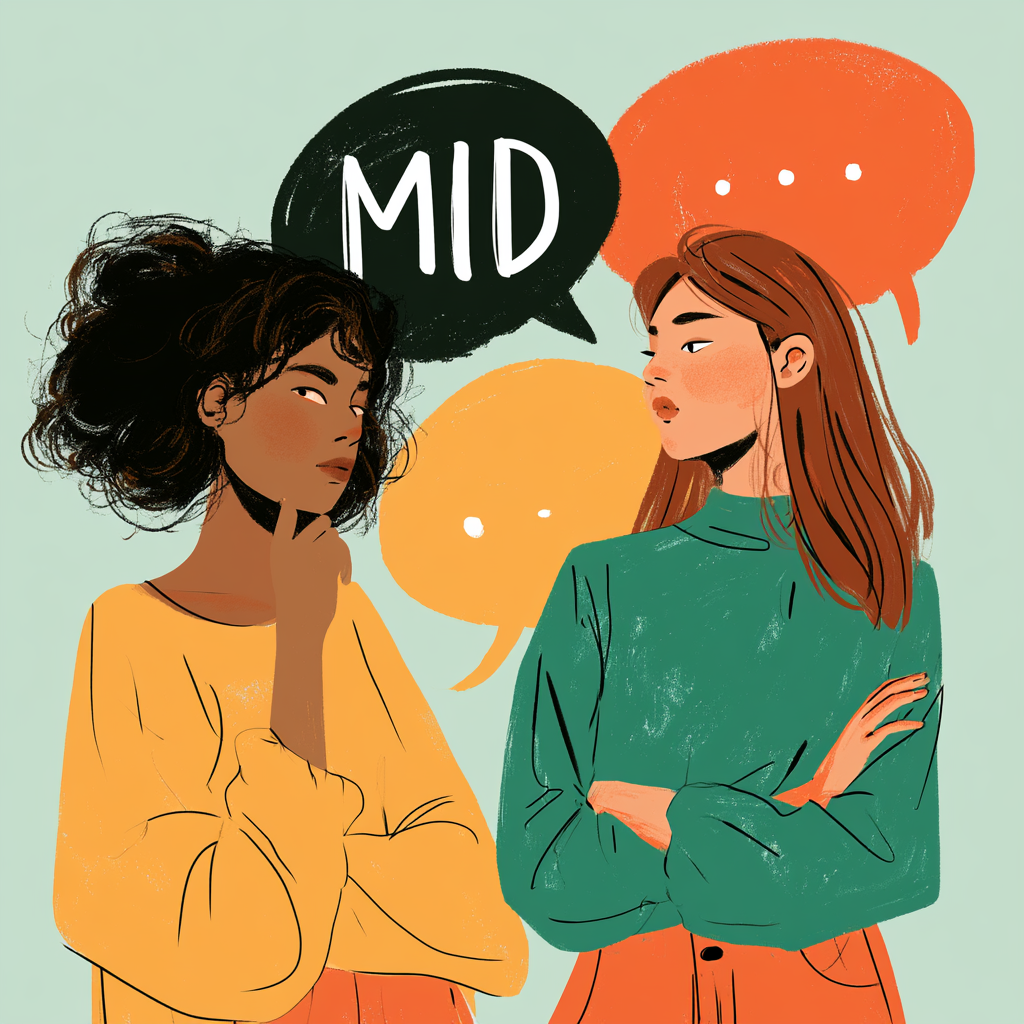
What Does "Mid" Mean?
Mid means average, mediocre, or just okay. When a kid calls something "mid," they mean it is not great and not terrible, it lands right in the middle. It is usually a mild put-down rather than a serious insult, and it can describe almost anything: a movie, a snack, a song, a video game, or even someone's outfit.
The word is short, blunt, and a little dismissive. Saying "that movie was mid" is roughly the same as saying "it was nothing special." It is almost always an adjective and almost always slightly negative, so kids reach for it when something was supposed to be good and simply was not.
| How kids say it | What they mean |
|---|---|
| "It was mid" | Average, nothing special |
| "Kinda mid" | Slightly disappointing |
| "Mid at best" | Barely acceptable |
| "You're being mid" | Teasing a person as unimpressive |
Why Are Kids Saying "Mid"?
Kids say "mid" because it is a fast, low-effort way to give an opinion. Instead of explaining why something was disappointing, they can sum it up in one syllable. It spread widely on TikTok, YouTube, and in gaming chats, where quick reactions are the norm.
It also works as friendly teasing. Fans of rival sports teams, music artists, or video games often call the other side "mid" to get a reaction. There is a bit of humor in it too, since calling a hyped movie or album mid is a way to push back on the hype and sound unbothered. Most of the time it is banter, not bullying.
Examples of How Kids Use "Mid"
- "That new burger place is mid." The food was okay but not worth the hype.
- "His new song is honestly mid." The song is unremarkable, not good enough to get excited about.
- "We lost, but their team is still mid." A playful jab suggesting the other team is not as good as people think.
- "The movie was mid, I wouldn't watch it again." It was forgettable.
- "Stop being mid." Aimed at a person, a teasing or unkind way to call someone unimpressive or basic.
Where Did "Mid" Come From?
The exact path is not certain, but there are two widely reported sources. According to Merriam-Webster, the modern sense traces to "mid-grade," a term for medium-quality cannabis, with the shortened "mid" moving into wider slang around 2019. It was also common in gaming and rap communities, where artists used it to dismiss rivals' music.
Its popularity got a boost in 2021 from a viral clip of a professional wrestler shouting "mid" at a crowd. From there it became a standard reaction word across social media. Because slang spreads through many communities at once, no single person invented it.
Is "Mid" Inappropriate for Kids?
Generally: Harmless. Mid is not a curse word and has no sexual or violent meaning in everyday use, even though one origin story points to cannabis slang. Kids using it almost never know or mean that history.
The only thing to watch is tone. Like calling someone "boring" or "basic," calling a person "mid" can sting, especially about their looks. The word itself is fine; how it is aimed matters.
Should Parents Be Concerned?
In most cases, no. Mid is ordinary opinion slang, the modern version of "meh." Hearing your child call a show or snack mid is not a red flag.
A simple way to read it is to separate the target from the tone. Mid aimed at objects like food, shows, and games is pure opinion. Mid aimed at people, especially about appearance, is where it can quietly become a way to put others down. If you notice that pattern, or if your child is on the receiving end and it is wearing on them, that is a kindness conversation, not a slang problem.
What Parents Should Know
- It is an opinion word, not a warning sign. Mid usually just means average.
- Context is everything. Applied to a pizza it is harmless; aimed at a classmate it can be a subtle dig.
- You do not need to ban it. Trying to police common slang often backfires and shuts down conversation.
- Use it as a doorway. Asking "what made it mid?" invites your child to share their taste and opinions.
Related Slang Parents May Hear
- Ate: Did something extremely well, the opposite of mid.
- Goated: The greatest of all time, high praise.
- Based: Authentic and unafraid to hold an opinion.
- W and L: A win or a loss.
- No cap: "No lie," used for emphasis.
- Basic: Unoriginal or trying too hard to follow trends.
- Fire: Excellent or exciting, the opposite of mid.
Frequently asked questions
What does "mid" mean in slang?
Is "mid" a bad word?
Where does the word "mid" come from?
Should I worry if my child says "mid"?
What is the opposite of "mid"?
See what YouTube is really teaching your kids
KidWatch turns your child's watch history into a plain-English safety report.
Get started